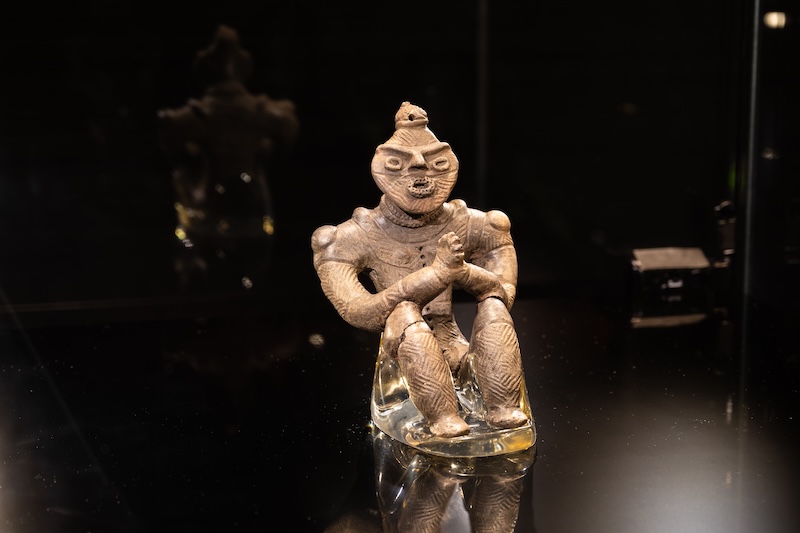
The Jomon Period (approximately 16,500 to 2,300 years ago) is one of the earliest cultural phases in the Japanese archipelago. During this time, people lived as hunter-gatherers and fishers, relying on nature for their survival. The most distinctive feature of … Continue reading
History 2: The Yayoi Period: The Rise of an Agriculture-Based Society
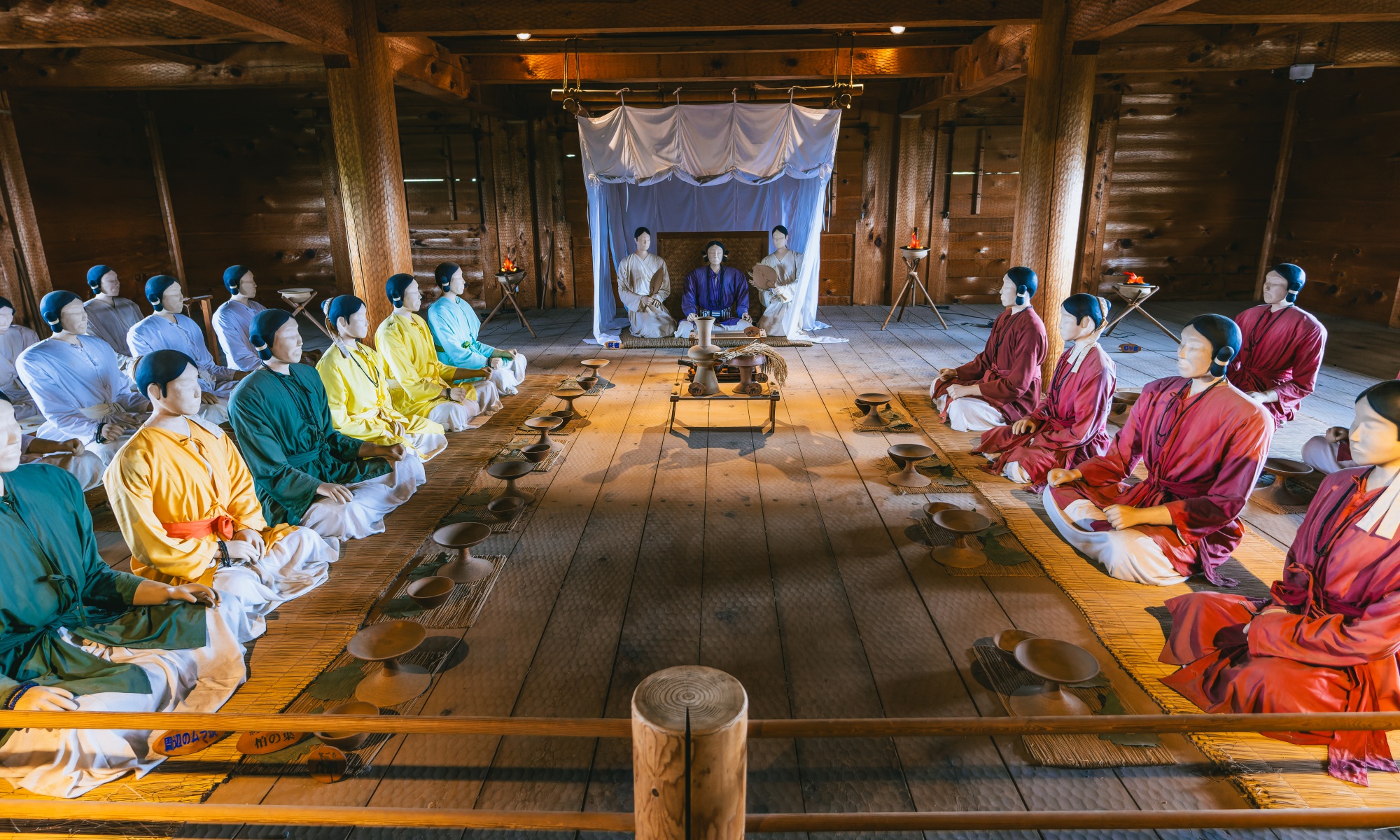
The Yayoi Period marks a major transformation in Japanese history, as society shifted from the hunter-gatherer lifestyle of the preceding Jomon Period to an agriculture-based settlement system. Rice farming, introduced through migrations and trade from continental East Asia, particularly from … Continue reading
History 3: The Kofun Period: The Path to Japan’s First Centralized Rule
The Kofun Period is named after the large burial mounds (kofun) built for powerful rulers and elites. These massive tombs, often shaped like a keyhole when viewed from above, contained elaborate burial chambers filled with valuable artifacts such … Continue reading
History 4: The Asuka Period (592–710 CE): The Formation of a Centralized State
The Asuka Period was a crucial time in Japanese history when the foundations of a centralized government began to take shape. Centered in the Asuka region (modern-day Nara Prefecture), political power became more structured around the emperor. This period also … Continue reading
History 5: The Nara Period (710–794): The Development of a Centralized State and the Spread of Buddhism
During the Nara Period, a new capital city was established in what is now Nara Prefecture. The city was modeled after major Chinese capitals, featuring a grid-like layout with organized streets and government buildings. This permanent capital helped solidify … Continue reading
History 6: The Heian Period (794–1185): The Flourishing of Aristocratic Culture and the Rise of the Samurai
The Heian Period was an era when Japan’s capital was moved from Nara to Kyoto, which was then called Heian-kyo. For nearly 400 years, this city served as the political and cultural center of Japan.… Continue reading
History 7: The Kamakura Period (1185–1333): The Rise of the Samurai Government
The Kamakura Period marked a major turning point in Japanese history, as political power shifted from the imperial court to the samurai. Minamoto Yoritomo, a powerful samurai leader who emerged victorious from the Genpei War, established a military government known … Continue reading