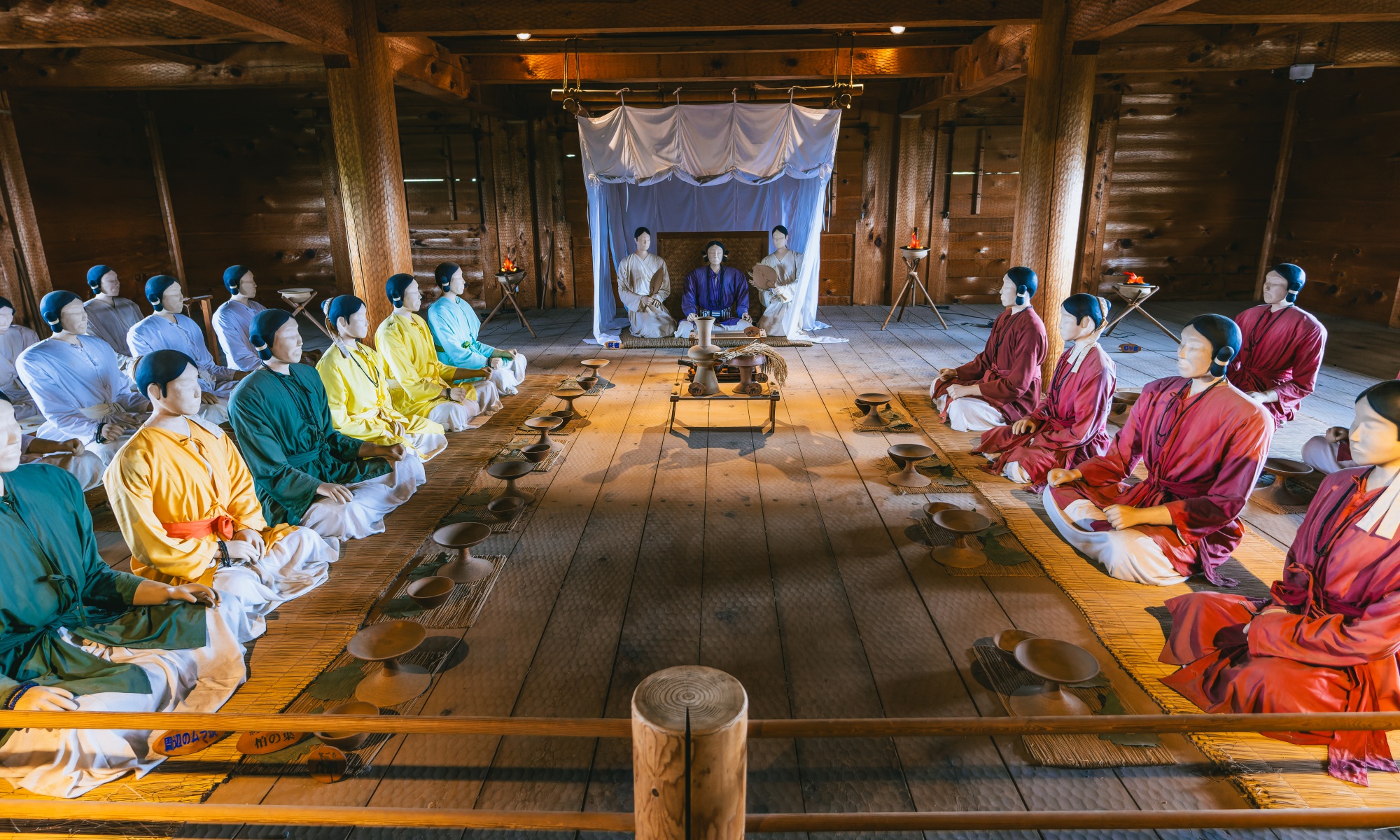
The Yayoi Period marks a major transformation in Japanese history, as society shifted from the hunter-gatherer lifestyle of the preceding Jomon Period to an agriculture-based settlement system. Rice farming, introduced through migrations and trade from continental East Asia, particularly from the Korean Peninsula and possibly regions of ancient China, became widespread, especially in western Japan. With the adoption of iron tools, agricultural productivity increased, leading to population growth and the emergence of social hierarchies. Unlike the Jomon people, who lived in relatively egalitarian communities, the Yayoi society saw the development of class distinctions, with emerging elite groups controlling resources and political leadership, marked by the rise of powerful chieftains.
One key distinction between the two periods is their pottery. Jomon pottery, known for its thick and elaborately decorated surfaces with rope-like patterns, was often used for cooking. In contrast, Yayoi pottery was thinner, harder, and more functional, with simple, unadorned designs suited for storage and food preparation. The Yayoi people also introduced bronze and iron tools, which were used for both practical purposes and ritual objects such as dotaku, large bronze bells believed to have been used in agricultural ceremonies to ensure bountiful harvests.
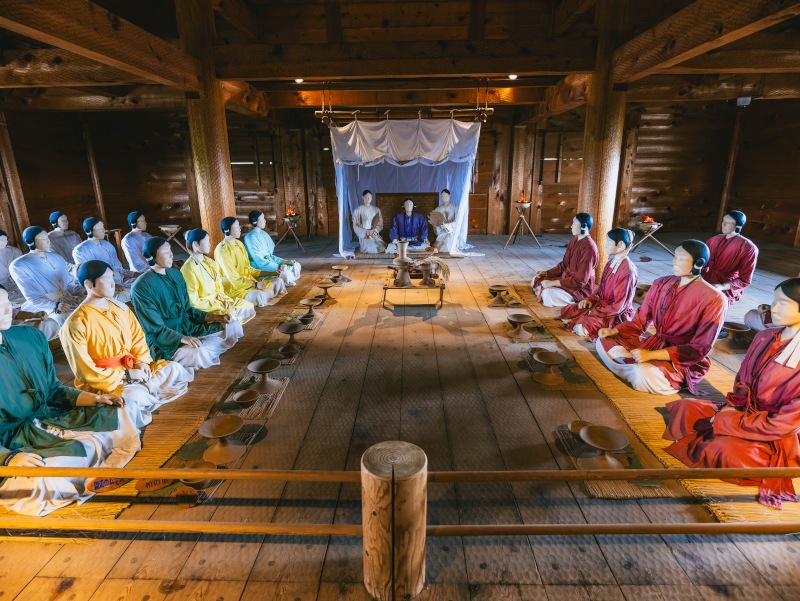
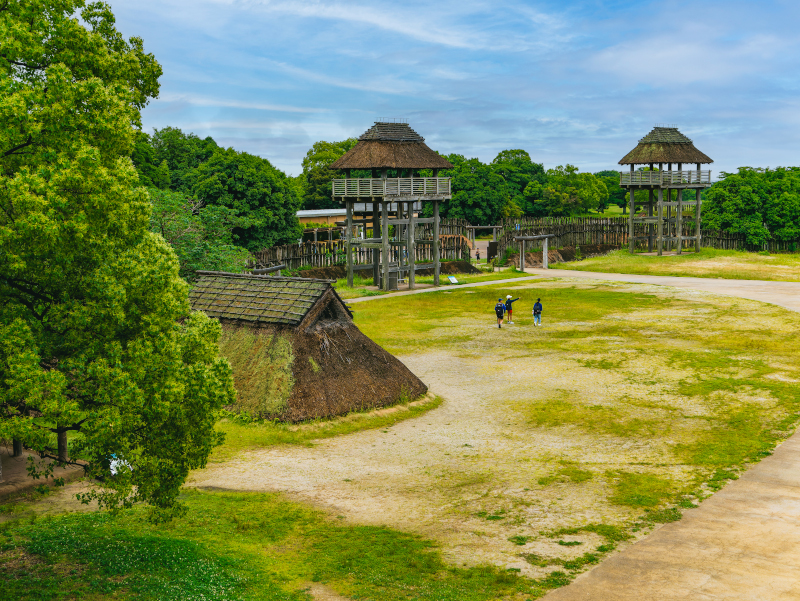
As the society grew more complex, fortified settlements surrounded by moats (called “moated settlements” or kango shūraku in Japanese) appeared, often located on elevated ground or protected by natural barriers, indicating conflicts between different communities. Archaeological evidence suggests that warfare and territorial disputes became more common during this time. The increasing centralization of power and the development of organized communities during the Yayoi Period laid the foundation for the later Kofun Period (circa 300–538 CE), when the first centralized states emerged in Japan.