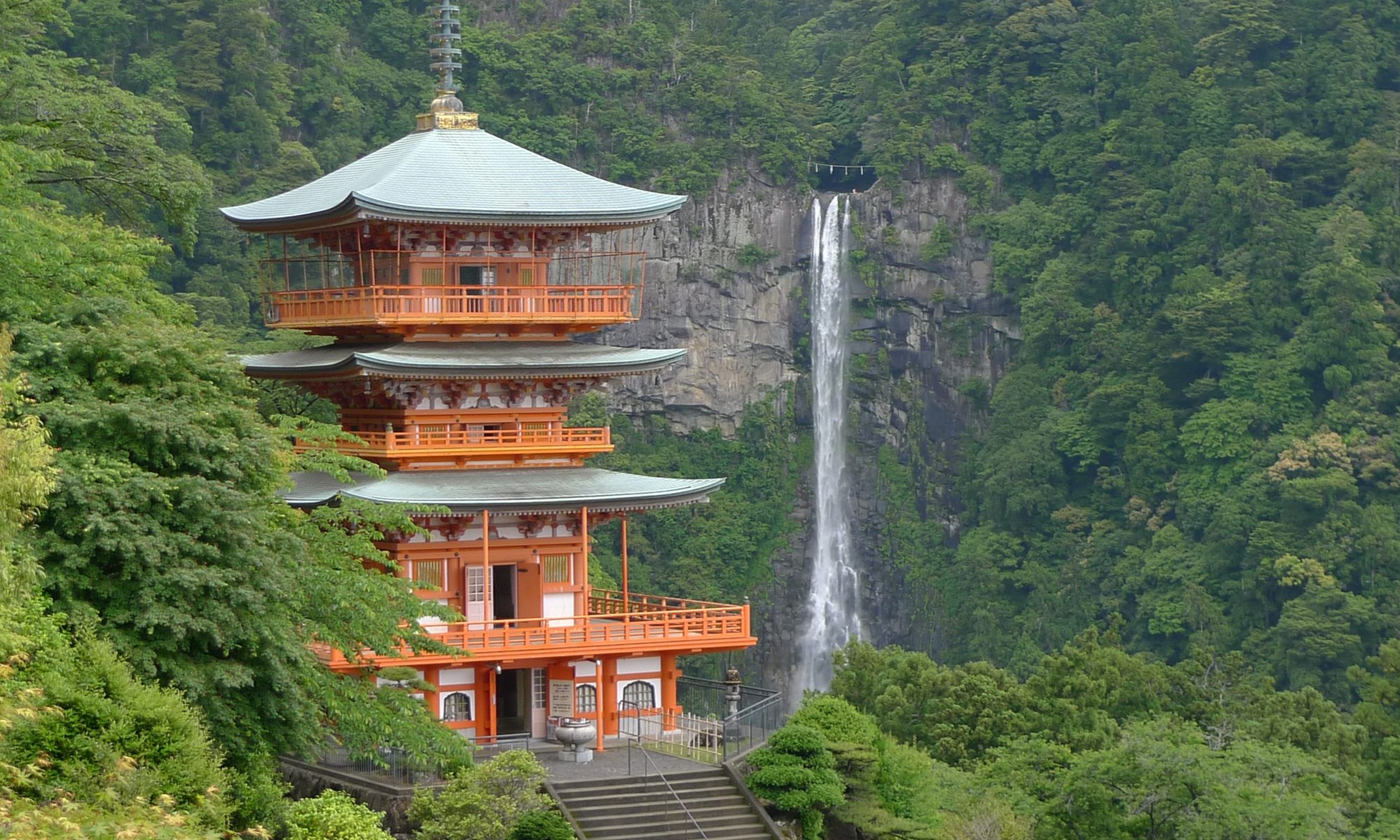
The Asuka Period was a crucial time in Japanese history when the foundations of a centralized government began to take shape. Centered in the Asuka region (modern-day Nara Prefecture), political power became more structured around the emperor. This period also saw significant influence from China and the Korean Peninsula, leading to major political, cultural, and religious changes.
One of the key figures of this era was Prince Shōtoku, who served as a regent under Empress Suiko, Japan’s first recorded female ruler. He introduced the Seventeen Article Constitution, which outlined governance principles based on Confucian and Buddhist ideals for government officials. He also implemented the Cap Rank System, appointing officials based on merit rather than birthright—an early step toward a merit-based bureaucracy. Additionally, he sent envoys to China’s Sui Dynasty (known as the Kentōshi missions) to learn about governance, law, architecture, and Buddhist teachings, incorporating many Chinese practices into Japanese politics.
Buddhism, particularly Mahayana Buddhism, spread rapidly during this time, supported by the ruling elite. Many temples, such as Hōryū-ji, which remains the world’s oldest surviving wooden structure, were constructed as centers of Buddhist learning and practice. Buddhism gradually merged with Japan’s native Shinto beliefs, leading to a fusion where Buddhist deities were often identified with Shinto kami, forming a unique spiritual tradition.
The latter part of the Asuka Period saw further reforms aimed at strengthening imperial power by reducing the influence of aristocratic clans. These efforts paved the way for a more centralized government, leading to the next era, the Nara Period (710–794 CE), where Japan’s first permanent capital and legal codes were established.