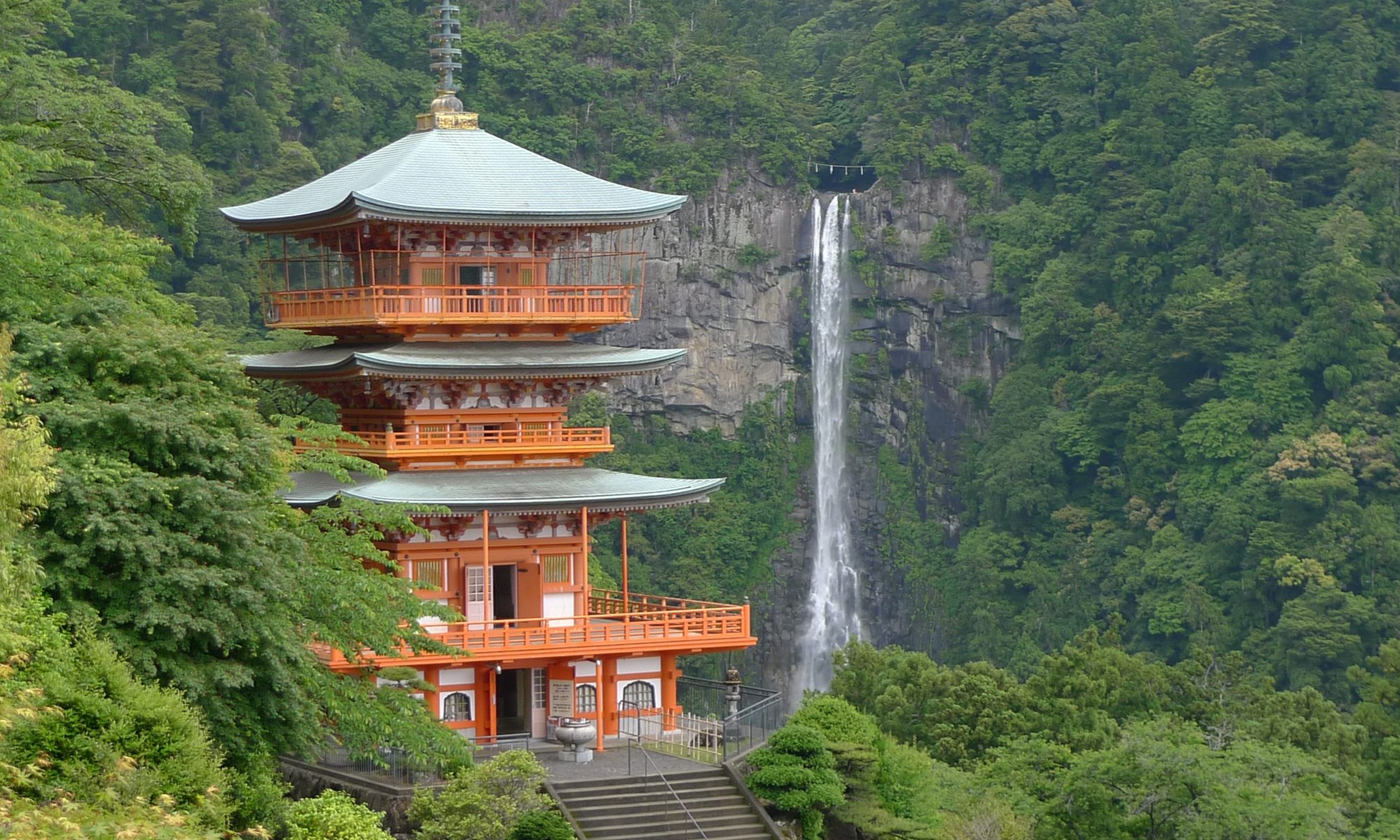
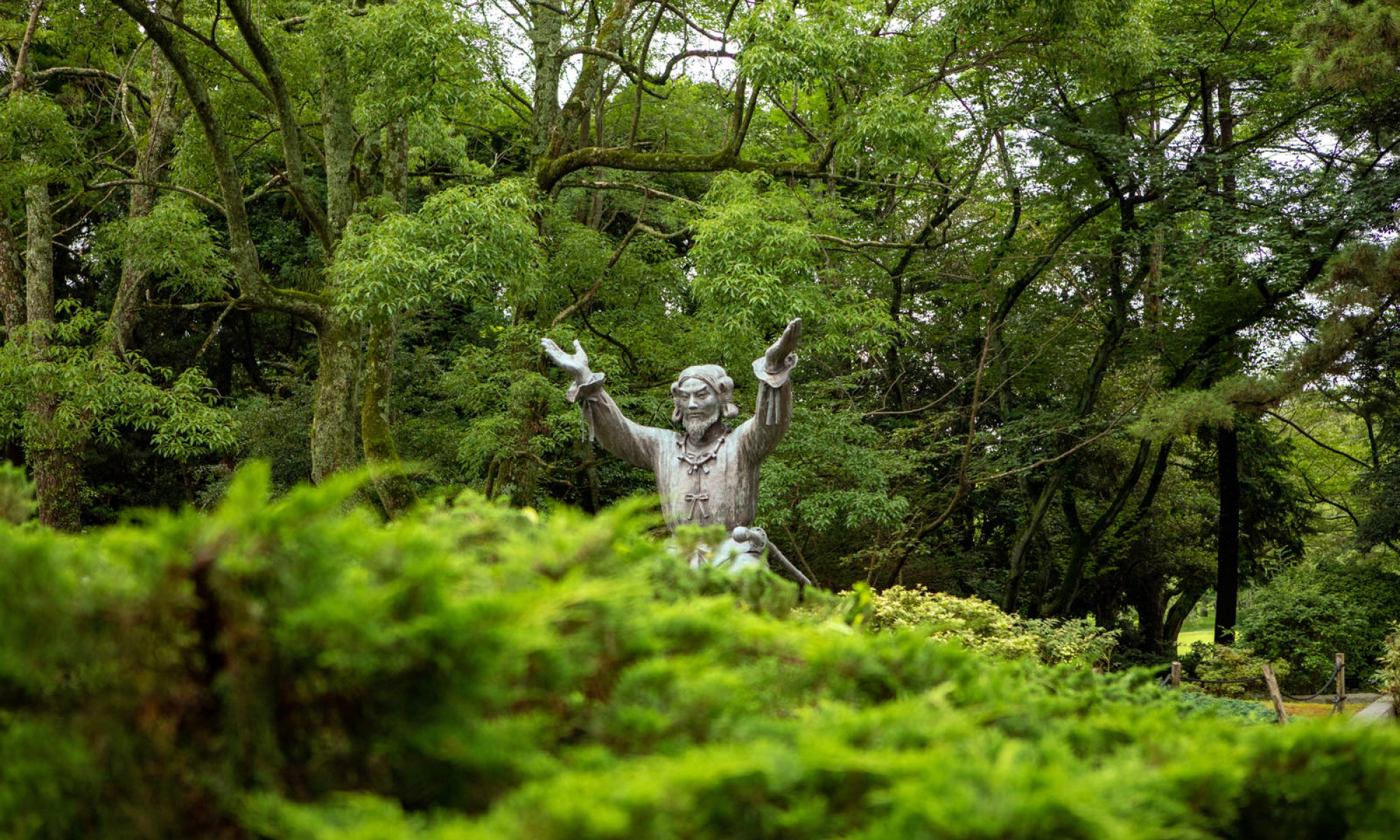
After being banished from the heavenly realm, Susanoo, the storm god, descended to earth. Among the descendants of Susanoo was Ōkuninushi, a central figure in shaping and ruling the land. He is known as a great builder of the nation, bringing prosperity and order to the land of Japan.
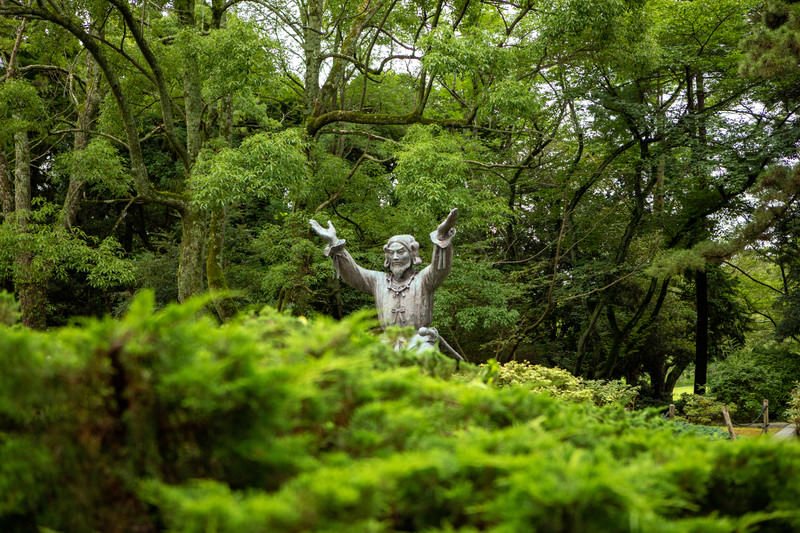
However, his journey was not easy. His older brothers, envious of his success, tried to harm him multiple times. Despite this, Ōkuninushi gained trust and support from the people, especially after compassionately aiding a suffering white rabbit, a deed that not only earned him widespread admiration but also secured the favor of the gods. This event is known as the Legend of the White Rabbit of Inaba. Later, he visited Susanoo, who tested him with several dangerous trials. With wisdom and courage, Ōkuninushi overcame these challenges and earned Susanoo’s approval.
As Ōkuninushi continued to govern the land, the sun goddess Amaterasu, ruler of the heavenly realm, decided that the land, which she believed rightfully belonged to the heavenly deities, should be ruled by her divine descendants. She sent envoys to demand that Ōkuninushi surrender his authority. At first, his sons resisted, but after multiple negotiations, Ōkuninushi himself agreed to step aside peacefully. However, he made one condition: in return for relinquishing control, he requested a grand shrine where he could be honored and worshipped.
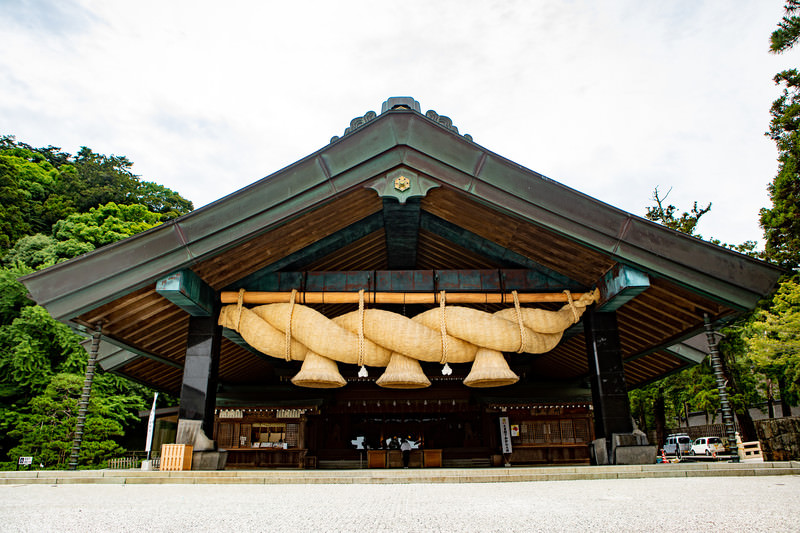
Thus, a magnificent shrine was built for him—Izumo Taisha, one of Japan’s most sacred and ancient Shinto shrines, remains a central place of worship to this day. Even today, Ōkuninushi is venerated there as a deity of nation-building, prosperity, and relationships.
This myth plays a crucial role in Japanese history, as it not only symbolizes the divine legitimacy of Japan’s rulers but also reflects the cultural values of peaceful negotiation and respect for ancestral deities.
Aki’s Note
Izumo Taisha is one of the most popular shrines in Japan. Today, it is primarily worshipped as the god of matchmaking and relationships.