
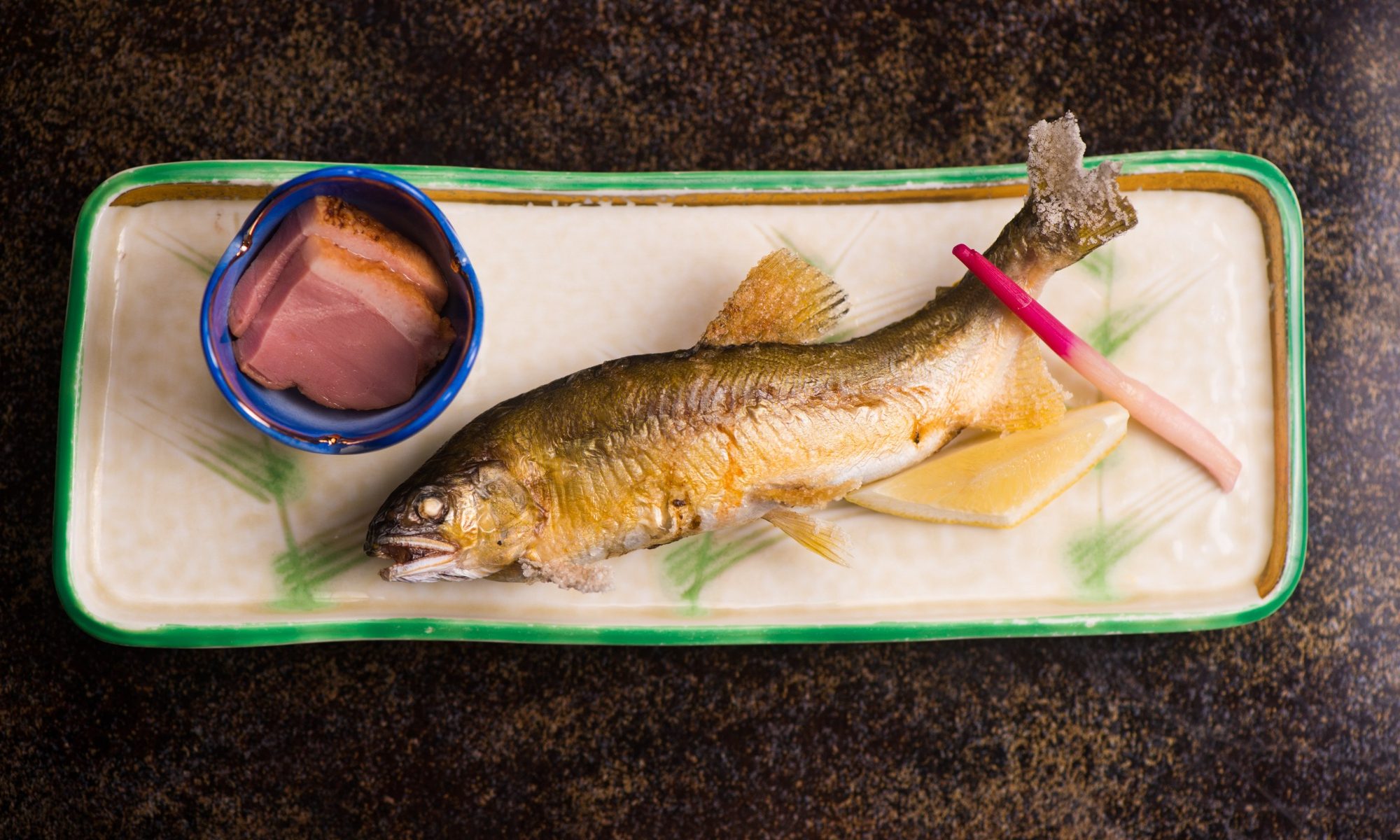
Fish is an essential ingredient in Japanese cuisine. Surrounded by the sea, Japan has a long history of eating fish. It is a familiar food for Japanese people and is enjoyed not only in daily meals but also on special occasions and celebrations. Fish is also known for its health benefits, as it is rich in high-quality protein, DHA, and EPA, which are important nutrients for the body.
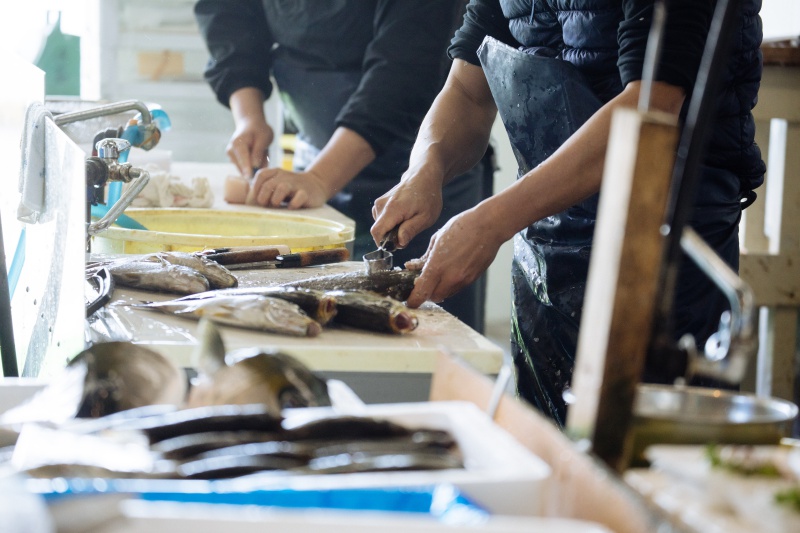
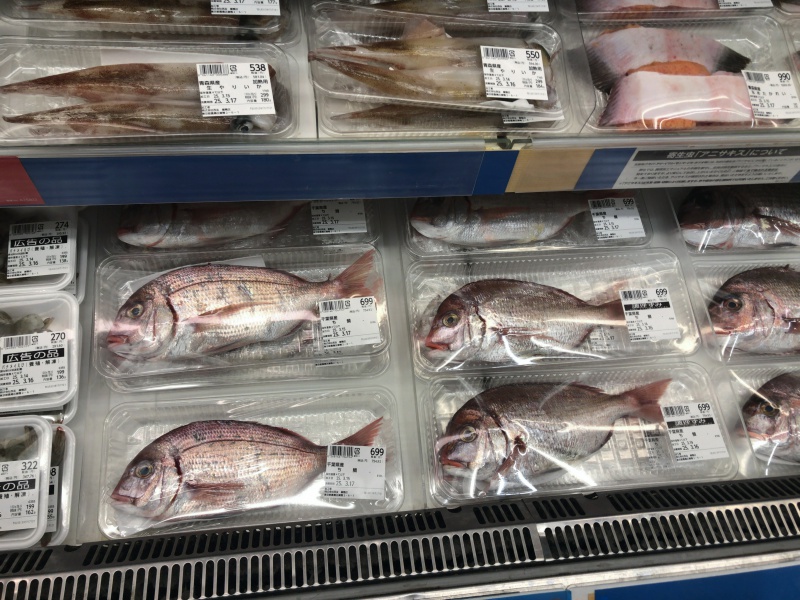
A wide variety of fish are eaten in Japan. People enjoy saltwater fish such as tuna, salmon, yellowtail, mackerel, horse mackerel, and sardines, as well as freshwater fish like sweetfish (ayu) and eel (unagi). Japanese people value eating fish at its best season. In Japan, people believe that seasonal fish have the best flavor and highest nutritional value. This idea of enjoying ingredients at their peak is an important part of Japanese food culture. For example, bonito (katsuo) is popular in spring, sweetfish in summer, Pacific saury (sanma) in autumn, and yellowtail (buri) and pufferfish (fugu) in winter. Fugu is known as a delicacy that must be prepared carefully because it contains a potent toxin. Seasonal fish are prominently displayed in markets and supermarkets, and many households enjoy them during their peak season.
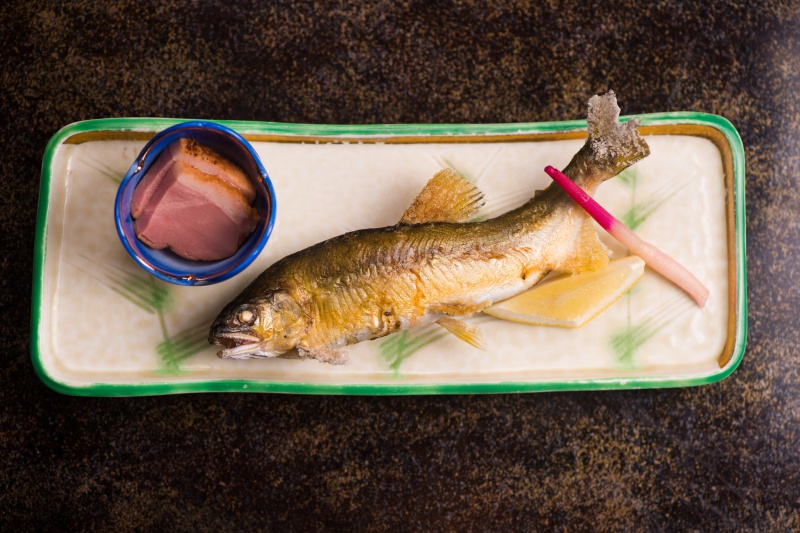
When people think of Japanese fish dishes, they often imagine sushi or sashimi (sliced raw fish). While raw fish is indeed a well-known part of Japanese cuisine, there are many other ways to prepare fish. Grilling, simmering, deep-frying, and steaming are all common cooking methods. For example, there is simple salt-grilled fish (shioyaki), miso-marinated grilled fish, sweet and savory simmered fish (nitsuke), crispy tempura, and soft steamed fish. Additionally, fish can be preserved in different ways, such as dried fish (himono) or marinated fish, which brings out unique flavors.
Another important aspect of Japanese cuisine is the use of fish-based broth, called dashi. This is made from dried bonito flakes (katsuobushi) or dried small fish (niboshi) and is a fundamental ingredient in many Japanese dishes, including miso soup, simmered dishes, and noodle soups. Fish is not only enjoyed as a main dish but also plays a key role in the flavors of Japanese cooking.
In this way, fish is an essential part of Japanese food culture, with many varieties and cooking methods. When visiting Japan, be sure to try seasonal fish dishes and experience their fresh and rich flavors.