
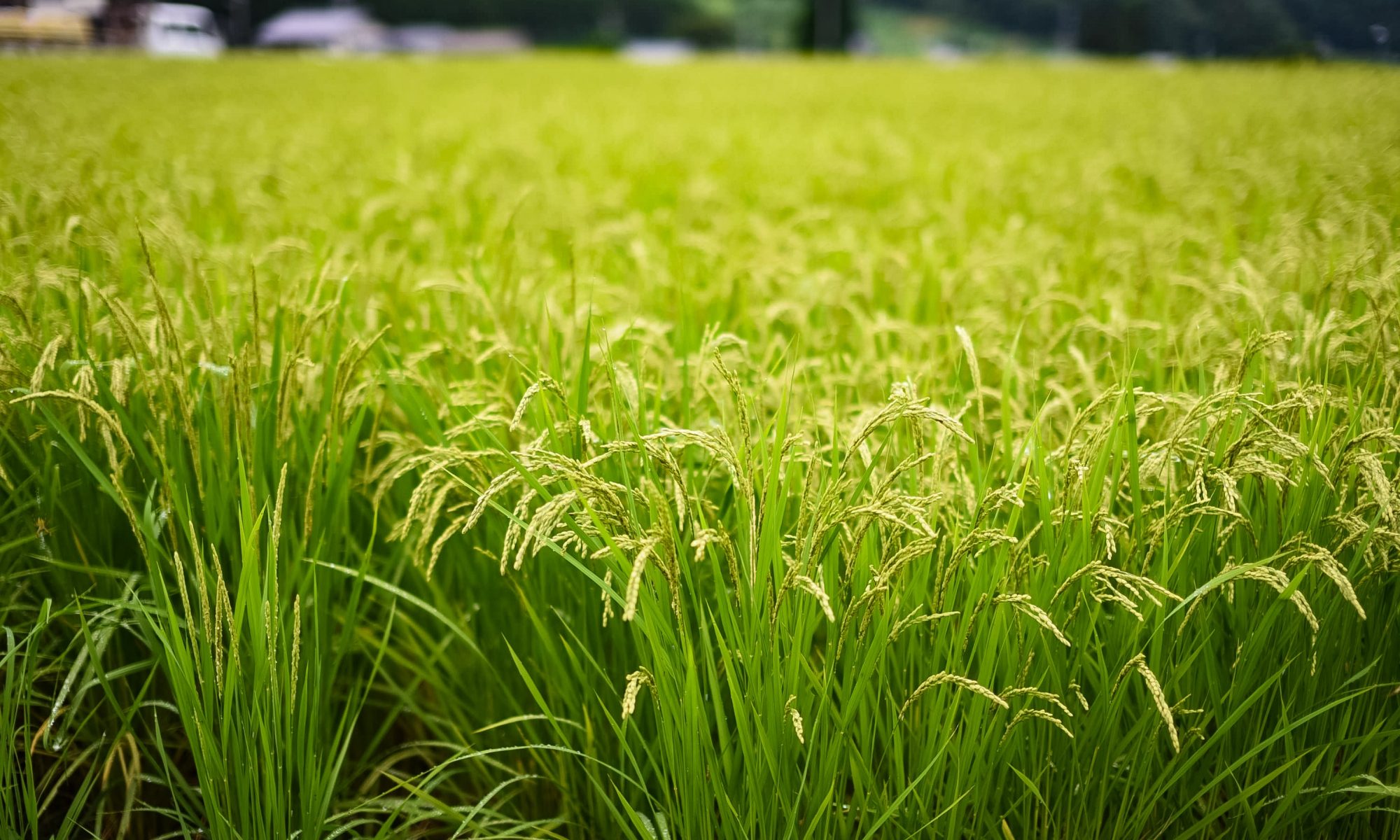
Rice is an essential part of Japanese food culture. It is the staple food of traditional Japanese cuisine and is eaten with many different dishes. Japanese rice is a type of Japonica rice, which has short grains and becomes sticky and fluffy when cooked. Its slightly chewy and sticky texture makes it perfect for Japanese dishes.
The history of rice cultivation in Japan dates back over 2,000 years. It is believed to have been introduced to Japan from China and became widespread during the Yayoi period (about 300 BC–300 AD). As rice farming developed, it played a central role in shaping Japanese society and culture. Even today, traditional farming methods are valued in many regions.
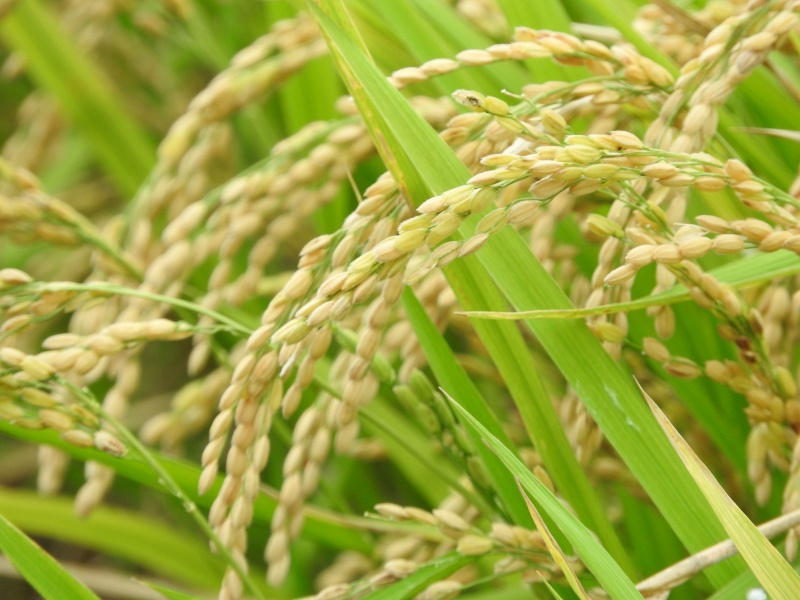
There are many varieties of Japanese rice. Some of the most famous ones are Koshihikari and Akitakomachi. These types are known for their slightly sweet flavor and chewy texture. Since Japan has diverse climates and soil conditions, the taste and texture of rice vary by region. For example, rice from Niigata Prefecture (a region in Japan) is known for its exceptional sweetness and gloss.
In Japan, rice is usually cooked using an electric rice cooker, which helps control the water ratio and ensures the rice is cooked properly. Recently, a type of rice called musenmai (pre-washed rice) has gained popularity since it does not need to be rinsed before cooking. This is because the excess starch has been removed, eliminating the need for rinsing.
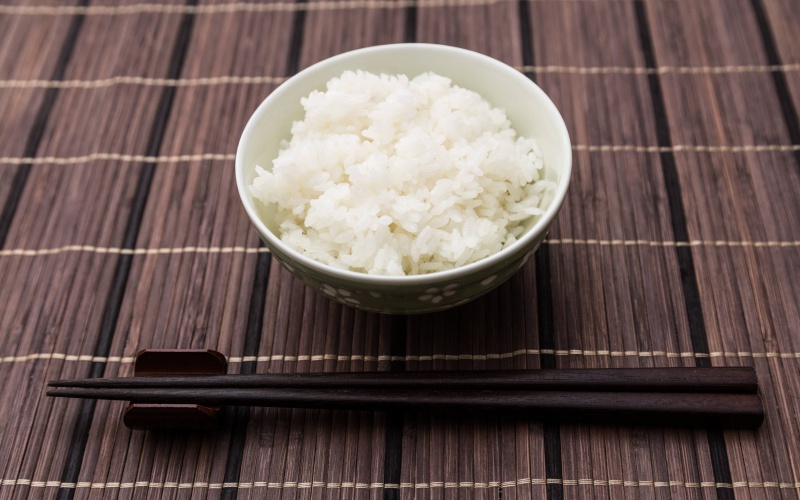
Japanese rice is not only eaten as plain steamed rice but is also used in many dishes such as onigiri (rice balls), sushi, donburi (rice bowls with various toppings), and chahan (Japanese-style fried rice). Rice is also the main ingredient in traditional Japanese foods like sake (rice wine), senbei (rice crackers), and mochi (glutinous rice cakes). These rice-based foods are an essential part of Japanese cuisine.
Rice farming has been a major industry in Japan for centuries. Even today, many farmers take great care in producing high-quality rice. In recent years, Japanese rice has gained international recognition, and exports are increasing.
Japanese rice is more than just a staple food—it is deeply connected to Japan’s history, culture, and daily life. When you enjoy Japanese cuisine, be sure to pay attention to the rice as well!
Aki’s Note
Many Japanese people eat white rice with nearly every meal. A typical meal, such as a set meal at a restaurant, consists of rice as the main staple, accompanied by side dishes like grilled fish, miso soup, and pickled vegetables.
If you’re curious about the relationship between rice (gohan) and side dishes (okazu) in Japanese cuisine, check out the Go-Han and Okazu page to learn more about their balance and variety in a traditional Japanese meal!