
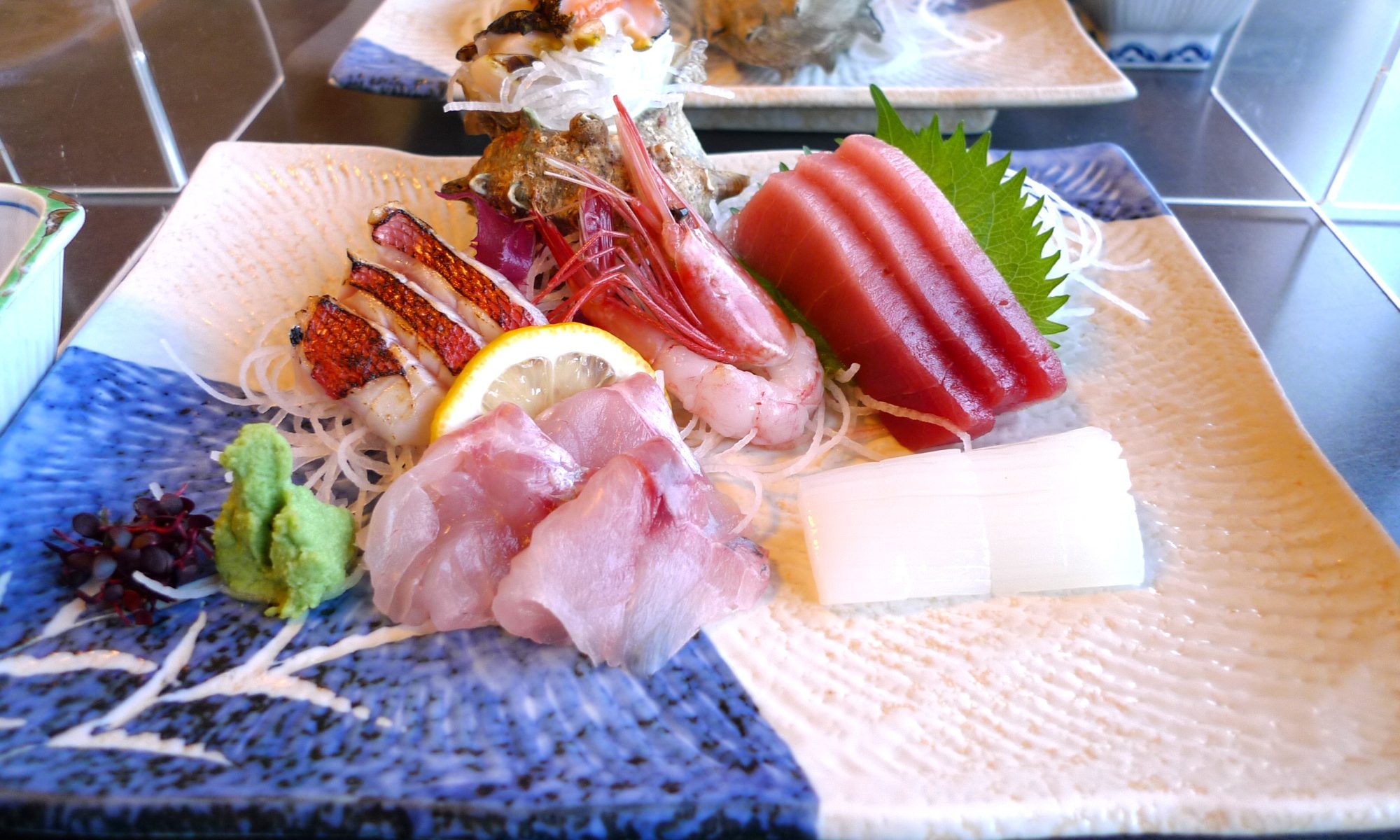
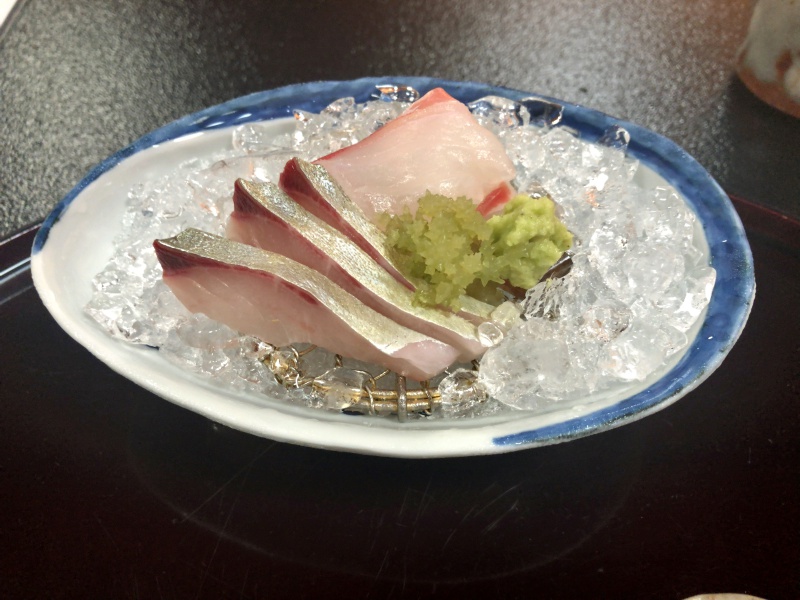
In Japanese cuisine, eating raw ingredients is quite common, particularly raw fish and raw eggs. A well-known example is sushi, where fresh fish or shellfish is served on top of vinegared rice (rice seasoned with rice vinegar, sugar, and salt). Another example is sashimi, which consists of thinly sliced raw fish served on its own. Eating raw fish is an important part of Japanese food culture, as it allows people to enjoy the natural flavors of the fish, which must be very fresh to ensure safety and taste.
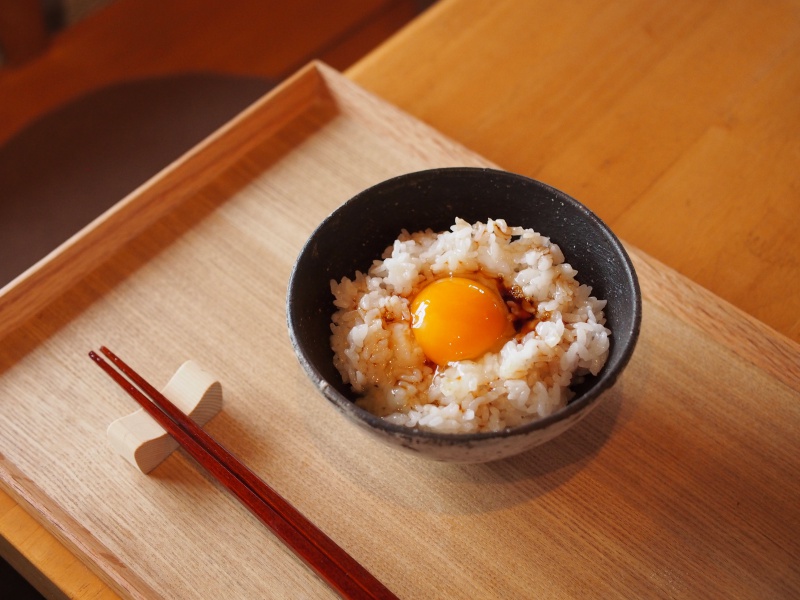
Another popular dish in Japan is “tamago kake gohan,” which is a bowl of rice topped with a raw egg. The egg yolk and white mix with the rice, creating a creamy, smooth texture. In Japan, eggs are of very high quality and are produced under strict hygiene standards, including thorough checks for salmonella, making it safe to consume raw eggs. Special care is taken in the handling, packaging, and distribution of eggs, ensuring they are fresh and safe to eat.
Eating raw ingredients in Japan requires freshness, which is why strict regulations govern the storage and transportation of raw fish and eggs. These measures, combined with Japan’s geographical location which allows easy access to fresh seafood, help to ensure that the food is safe and can be enjoyed without concerns about foodborne illnesses.
Aki’s Note
In Japan, sashimi is very common that you can find it in almost every supermarket. It’s a popular dish and is often a part of daily meals. As for tamago kake gohan, it’s primarily a home-cooked dish rather than a restaurant offering.