
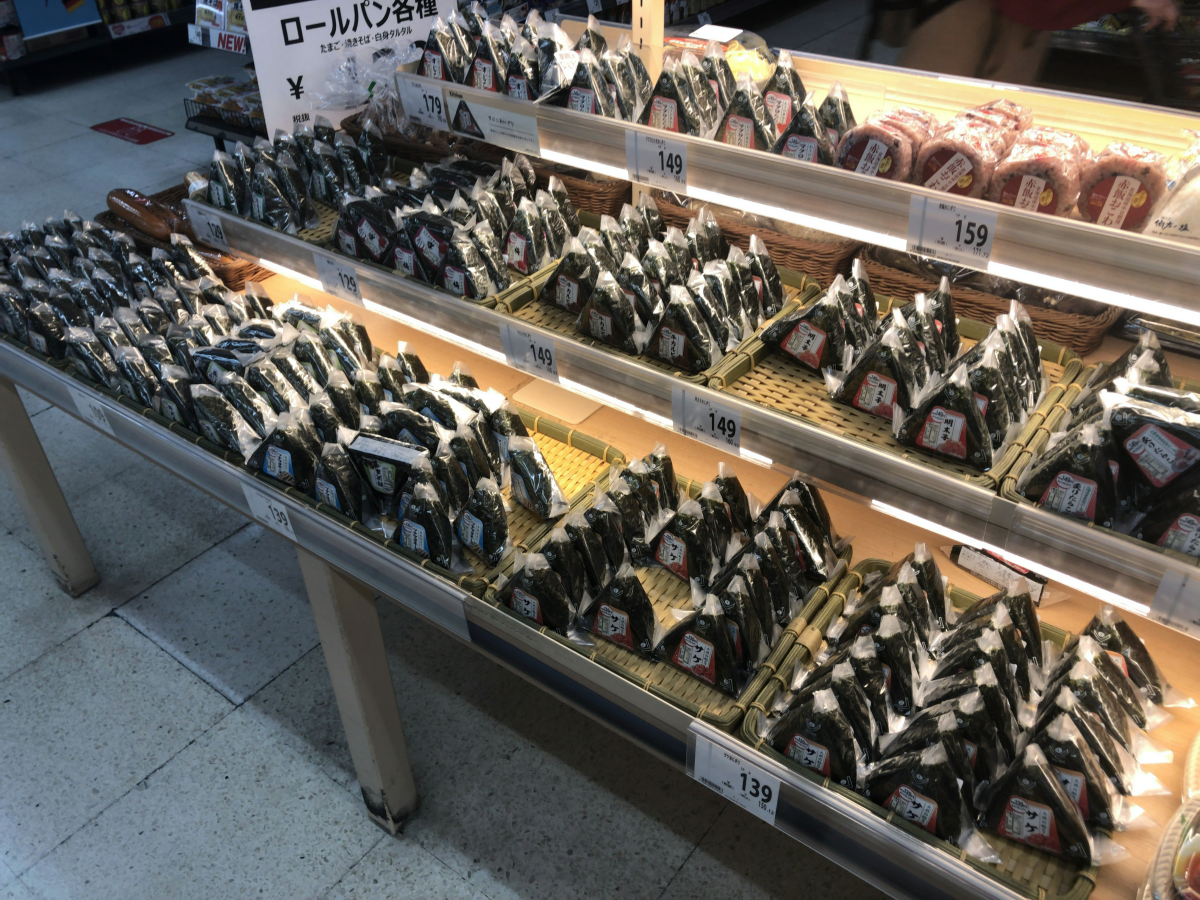
Onigiri is a traditional Japanese food made by shaping cooked rice into compact forms, usually by hand. It is often shaped into triangles or round balls and may be lightly seasoned with salt or wrapped in seaweed (nori). Many onigiri also have fillings, with popular options including pickled plum (umeboshi), salted salmon, tuna with mayonnaise, and simmered kelp (kombu).
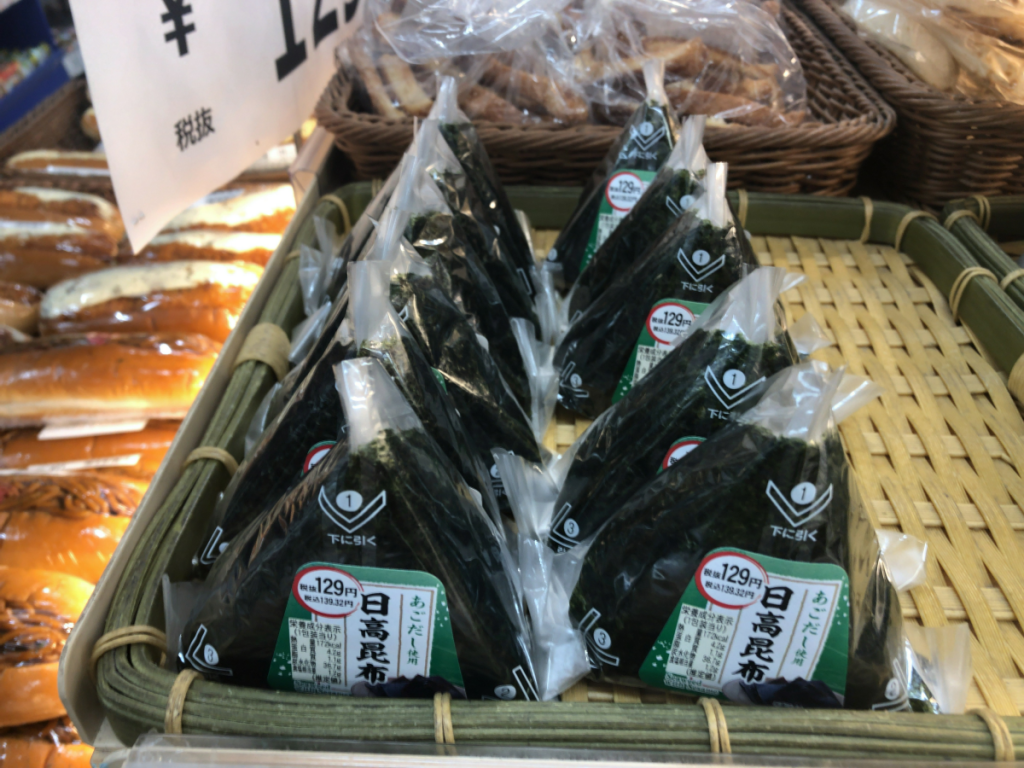
Onigiri is commonly made at home, but it is also widely available in convenience stores and supermarkets across Japan. It is a popular choice for breakfast, lunch, snacks, or picnics due to its convenience and variety. Its simple yet versatile nature has made it a beloved food for many people.
The history of onigiri dates back to the Yayoi period (around 300 BCE to 300 CE). It is believed that in ancient Japan, samurai and travelers carried rice balls as portable food. Over time, the shapes and fillings evolved, making onigiri even more enjoyable for people today.
Making onigiri is simple. First, cook rice and prepare your favorite filling. Wet your hands with water, add a pinch of salt, and place a portion of rice in your palm. Put the filling in the center and gently press the rice into shape. Finally, wrap it with seaweed, and it’s ready to eat!
Nowadays, convenience stores and specialty shops offer a wide variety of onigiri, with new flavors and ingredients being introduced regularly. As Japanese food becomes more popular worldwide, more restaurants overseas are beginning to serve onigiri.
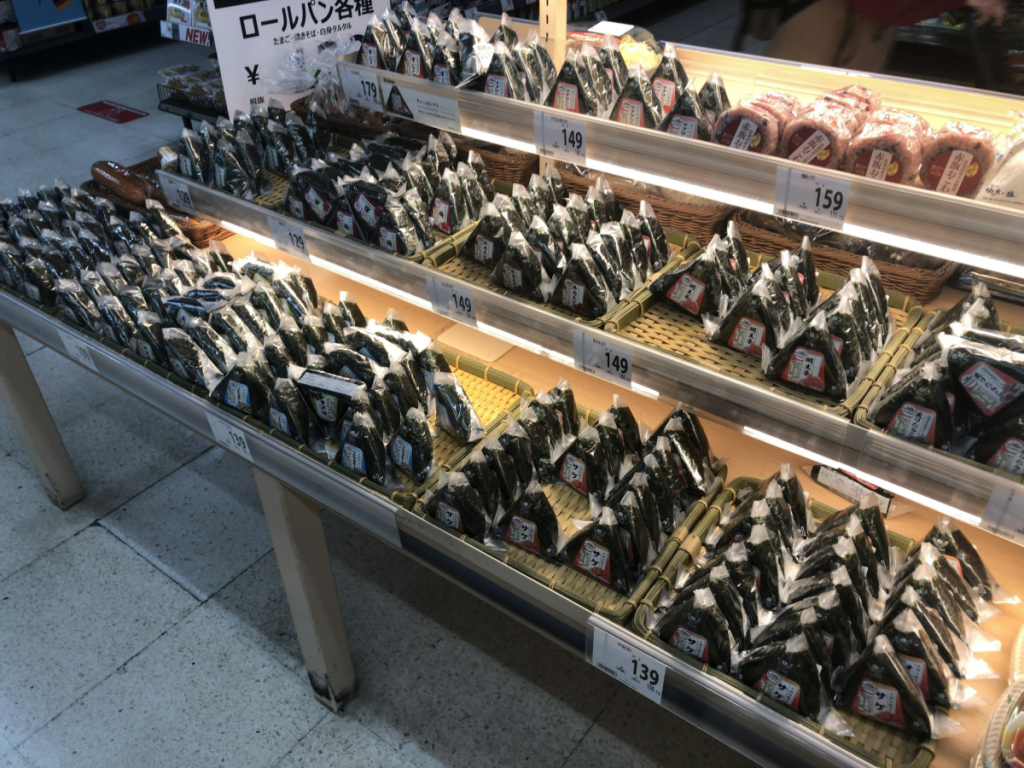
Onigiri is an iconic part of Japanese food culture. Despite its simplicity, it has a deep charm. Whether homemade or store-bought, be sure to try onigiri when you visit Japan!