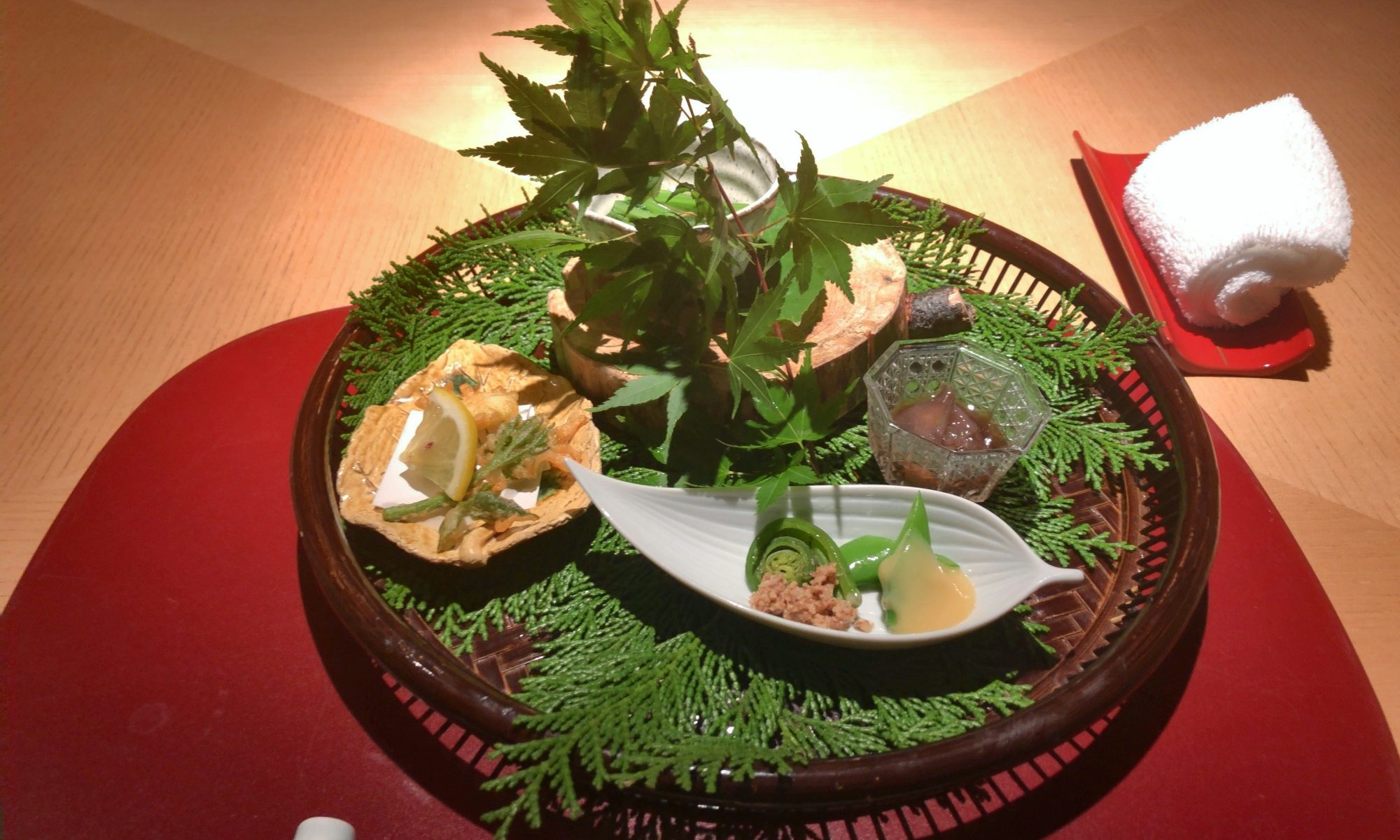
Kaiseki is a traditional Japanese multi-course meal deeply connected to the Japanese tea ceremony. The roots of kaiseki lie in the tea ceremony, where it was originally a small meal served to prepare guests before drinking thick matcha tea, which has a rich and heavy texture.
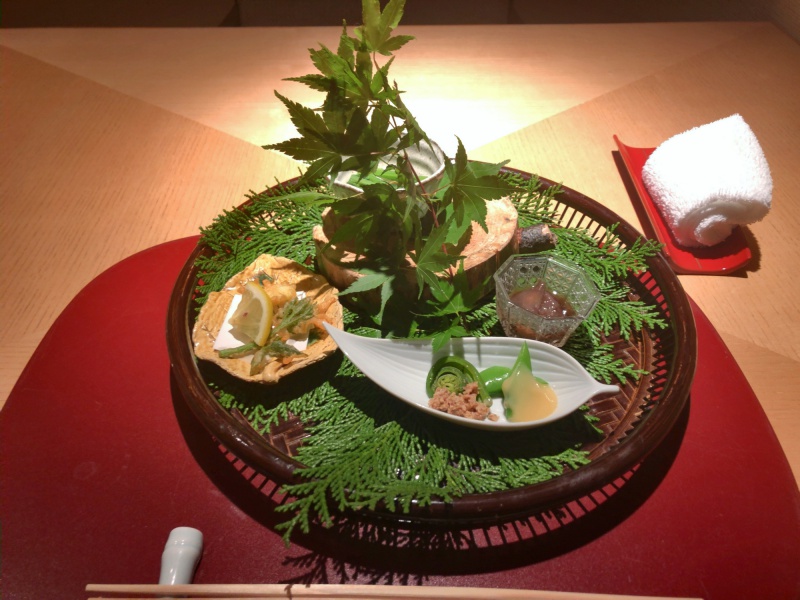
A key characteristic of kaiseki is its emphasis on seasonal ingredients, bringing out the natural flavors of each dish to their fullest. Presentation is equally important, with careful attention to the arrangement of dishes and the selection of tableware, making the meal not only delicious but also visually stunning.
The meal typically includes a variety of dishes such as rice, soup, sashimi (thinly sliced raw fish), simmered dishes, and grilled items. These are served in a specific order, starting with lighter flavors and progressing to richer ones. Each dish is served in small portions, carefully balanced to provide a satisfying experience without being overwhelming.
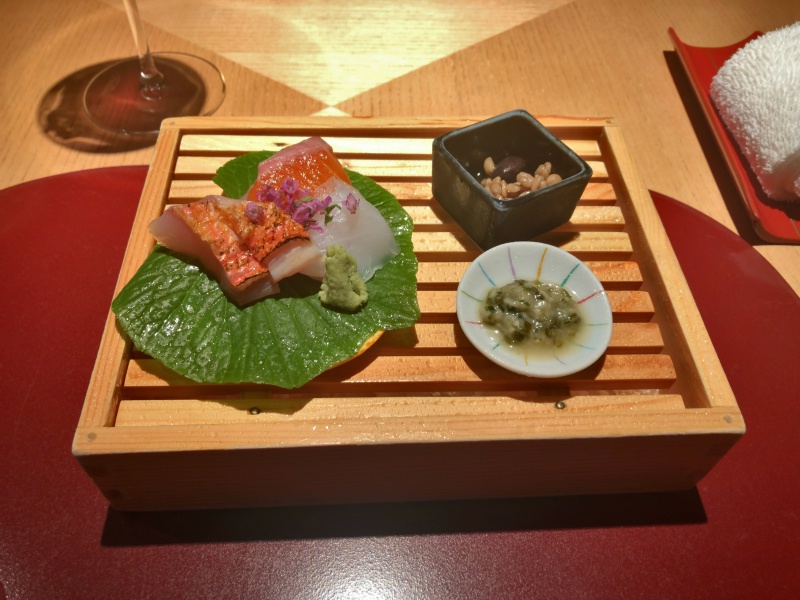
Kaiseki is more than just a meal; it is an opportunity to appreciate the changing seasons, the skill of the chef, and the thoughtfulness behind each dish, making it a true expression of Japanese food culture.
Aki’s Note
Even for Japanese people, Kaiseki cuisine is rarely eaten. It’s usually reserved for special occasions when dining out.